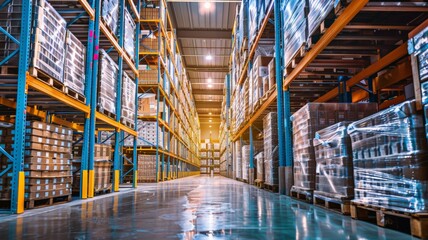
There are many different types of cardboard on the market. Thus, cardboard is a very versatile material with different thicknesses, shapes, and forms. The most common use for cardboard is in packaging and shipment.
We have listed below several different kinds of cardboard packaging, depending on your needs and requirements:
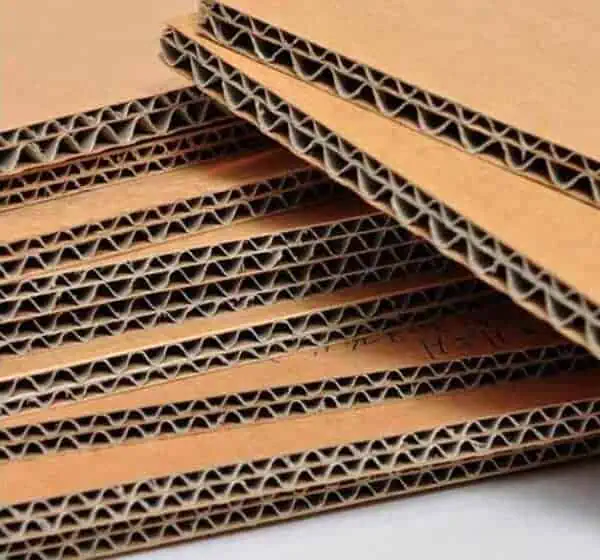
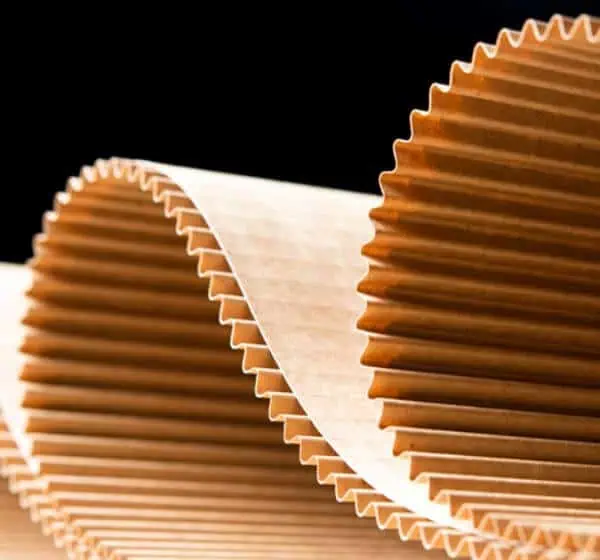
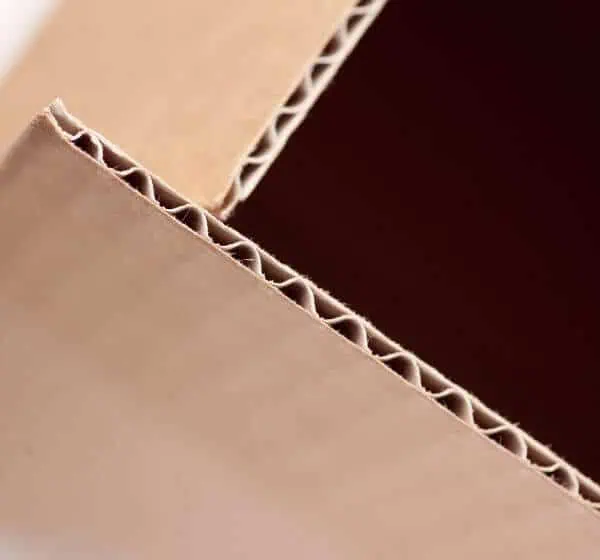
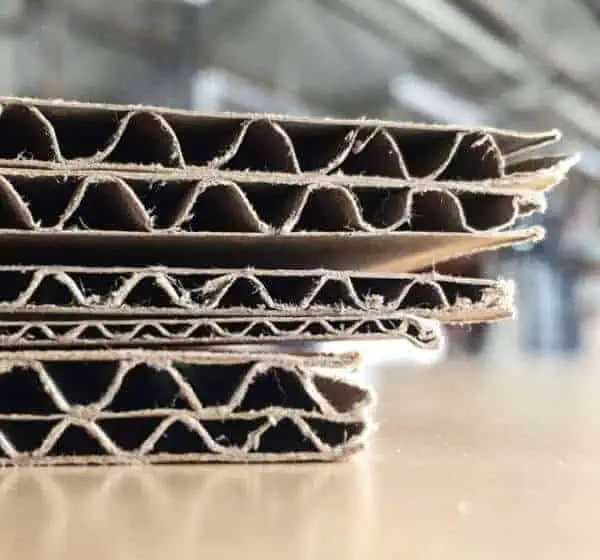
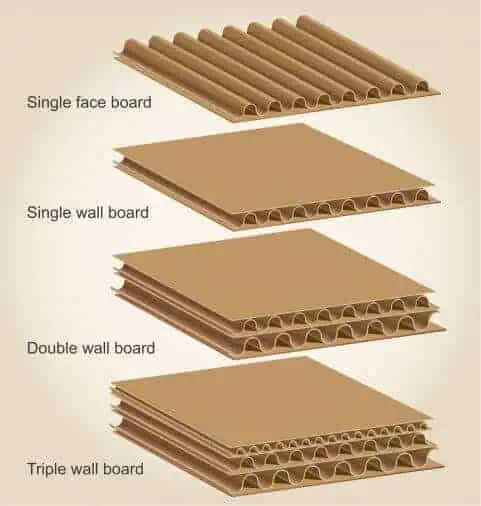
A wavy, fluted corrugation layer between two other flat layers of cardboard. This type of packaging is used for shipping goods and has quite a high-strength-to-weight ratio, depending on the level of protection you required.
Also, corrugated fiberboard sizes are commonly represented by letters of A, B, C, E or F. The width and frequency of the waves in the fluted layer in the middle determine the size.
Single-face-board looks like corrugated fiberboard, except it doesn’t have the second section on the other side of the flute layers. This type of packing is often used to segregate items in a single box so that they don’t get broken during transit.
This type of packing is a typical corrugated cardboard and features paperboard on both sides of the fluting to guarantee protection against impact that aren’t too delicate. Single-wall board is commonly used in boxes.
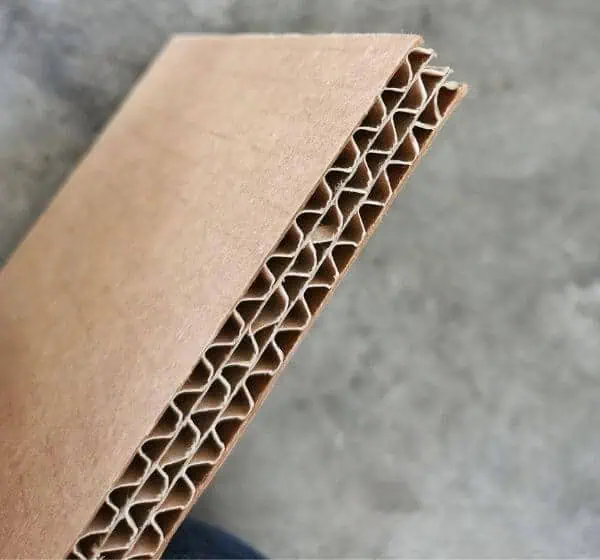
The Double-wall board adds an extra layer of fluting in between the two outermost layers. This type of packing offer extra protection for whatever goods are stored inside and are more resistant to bending
The Triple-wall board are very strong boxes and is ideal for heavy object like automotive parts or major appliance. This cardboard contains 3 layer of fluting in between the two outside walls.
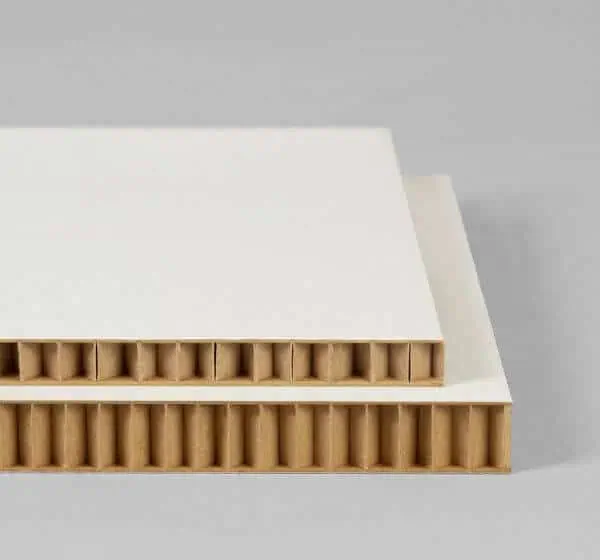
Honeycomb cardboard is a less commonly used type of cardboard packing. It consists of several layers of corrugation, which make up the length of the piece. This type of packing material helps to fill empty spaces for the packaging or transportation of any type of product.
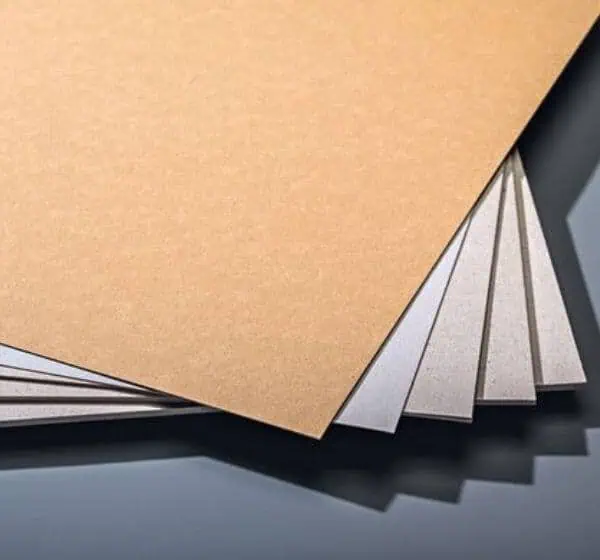
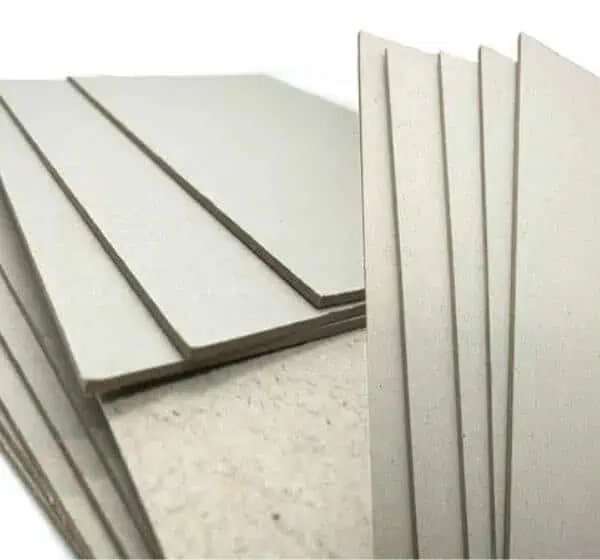
Paperboard is an extremely thin form of cardboard that is utilized for toilet paper rolls and cereal boxes. Thus, it is also known by the name chipboard or carton and is less durable than corrugated fiberboard. Also, paperboard is used for lighter items or non-load-bearing applications.
Both types are made of recycled paper materials. Grey paperboard is used for packaging purposes and grey cardboard can be found in different industries, including bookbinding and packaging products. The difference between these two is the thickness.
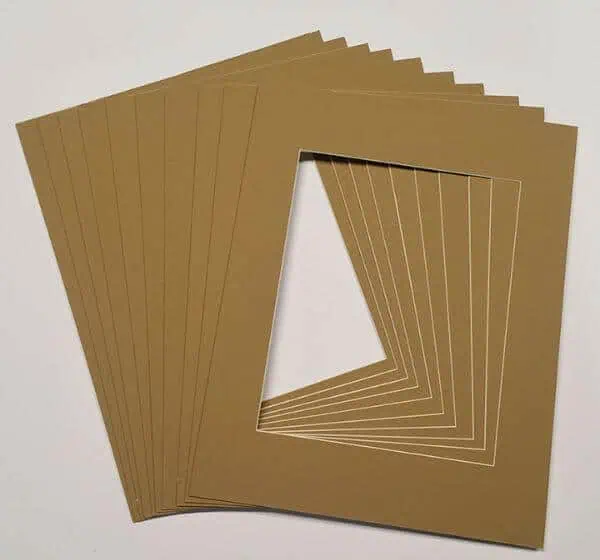
Matboard is a heavy paper-based material and can be found in picture frames to protect artwork or photography. It comes in several different types of matboard such as a standard matboard, black core, white core and color core matboard, and conservation board.
The main difference between corrugated cardboard and the non-corrugated cardboard is the structure. Corrugated fiberboard is normally made up of more layers rather than just a single sheet.
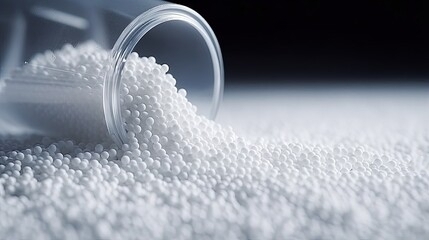
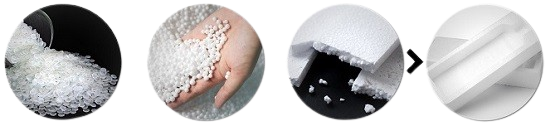
Expanded PolyStyrene (EPS) is a white foam plastic material. It is produced from solid beads of polystyrene. It is used for packaging and construction. It is a closed-cell, rigid foam material produced from:
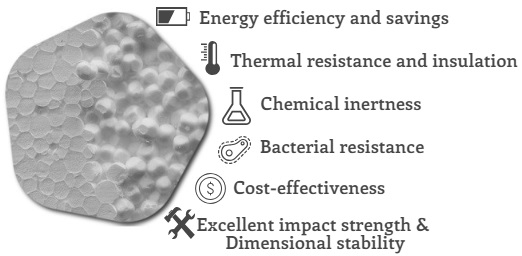
Both styrene and pentane are hydrocarbon compounds. They are obtained from petroleum and natural gas byproducts. EPS is 98% air and it is recyclable. It is a very lightweight material with the following benefits:
The conversion of expandable polystyrene to expanded polystyrene is carried out in three stages:
Polystyrene is produced from crude oil refinery product styrene. For manufacturing EPS, the polystyrene beads are impregnated with the foaming agent pentane. Polystyrene granulate is prefoamed at temperatures above 90°C.
This temperature causes the foaming agent to evaporate. Hence inflating the thermoplastic base material to 20-50 times its original size.
After this, the beads are stored for 6-12 hrs allowing them to reach equilibrium. Then beads are conveyed to the mold to produce forms suited as per application.
Shrink film, also known as shrink wrap or shrink plastic, is a versatile polymer material used for packaging and protecting products. When heat is applied to the film, it shrinks tightly over whatever it is covering, providing a secure and tamper-evident seal.
| Properties | PVC | PE | Polyolefin | PP |
|---|---|---|---|---|
| Clarity | High | Moderate | Excellent | Good |
| Shrink Temperature | Low | Moderate | Low to Moderate | High |
| Strength | Good | High | High | Very High |
| Puncture Resistance | Good | High | High | High |
| Flexibility | Moderate | High | High | Moderate |
| Food Safety | No | Yes (with certain grades) | Yes | Yes |
| Typical Applications | Consumer goods, electronics | Bundling products, pallets | Food, pharmaceuticals, retail | Food, textiles |
Shrink film’s durability protects and preserves contents, with cross-linked films offering high tear and puncture resistance for sharp-edged items. Ideal for high-volume packaging, it reduces product damage and waste. Additionally, it extends shelf life and conceals odors.
Provides a secure seal that shows clear signs of tampering, enhancing product safety.
Suitable for a wide range of products and packaging shapes, from food items to industrial goods.
Reduces the bulk of packaged goods, saving space during shipping and storage.
Helps maintain the freshness of perishable items by providing a barrier against environmental factors.
Lower material and transportation costs compared to other packaging options due to its lightweight nature.